



APSF Articles & Updates

Earbuds and Other Personal Auditory Devices in the Operating Room
October 22, 2026
The use of small, in-ear personal auditory devices (PADs), such as earbuds, as well as bone conduction devices (which use vibration to transmit sound energy from the skull to the cochlea) by anesthesiology professionals in the operating room (OR) has increased in prevalence and is a new potential…
 PDF
PDF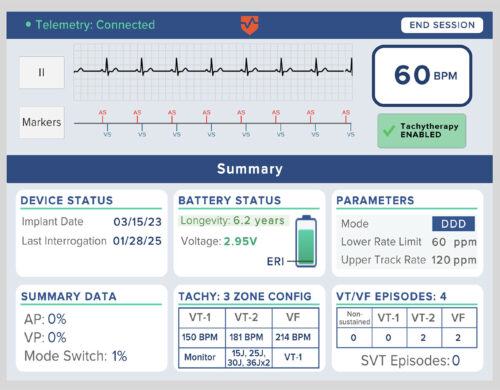
New from the APSF Technology Education Initiative: Cardiac Implantable Electronic Devices (CIED)
October 17, 2026
Caring safely for patients with pacemakers and implantable cardioverter-defibrillators depends on getting a few things right: identifying the device, knowing how it is programmed, anticipating electromagnetic interference, and having a plan before the first incision.

Medication Errors in Perioperative Nursing: A Scoping Review
October 12, 2026
Medication errors are particularly common in the perioperative setting, where patients undergo multiple handoffs and transitions of care while sedated or anesthetized. Many studies of the nature and causes of…
Association Between Intraoperative Anesthesia Handover and Patient Morbidity and Mortality: a Systematic Review and Meta-Analysis
October 5, 2026
Intraoperative anesthesia handovers (IAH) are common in longer and complex cases and are often used to accommodate work-hour regulations and shift-based staffing schedules. Transfer of patient care responsibilities between anesthesia…
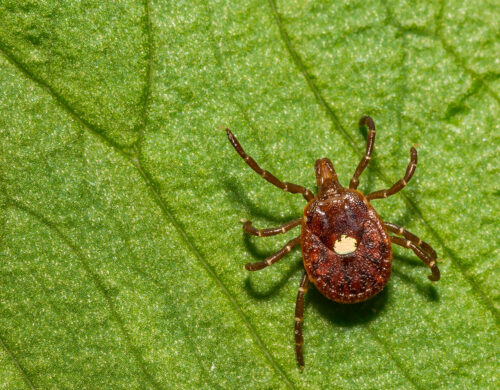
Alpha-Gal Syndrome and Perioperative Patient Safety: Practical Considerations for Anesthesia Professionals
September 30, 2026
Alpha-gal Syndrome (AGS) is an IgE-mediated allergy to galactose-α-1,3-galactose (“alpha-gal”), a carbohydrate present in non-primate mammalian tissues. AGS commonly presents as a new onset allergy to red meat after a Lone Star tick (Amblyomma amercanum) bite. It was discovered in…
Practice Update: Blood Component Decisions for Jehovah’s Witness Patients
September 24, 2026
Jehovah’s Witnesses recently announced an important change in their guidance regarding blood transfusion. As of September 18, 2026, decisions regarding transfusion of donor red blood cells, white blood cells, plasma, or platelets are…

APSF Recognizes the 23 Institutions That Submitted Letters of Intent for Research Projects
September 24, 2026
The grant programs by the Anesthesia Patient Safety Foundation (APSF), in addition to a joint program with the Foundation for Anesthesia Education and Research (FAER), received 31 Letters of Intent from 27 institutions across the United States and Canada during the…
Rehospitalization and the Association of Postoperative Delirium With Cognitive Decline in Older Adults
September 21, 2026
Postoperative delirium (POD) is common in older surgical patients and is associated with adverse long-term outcomes, including functional impairment, dementia, and cognitive decline. Whether this association represents causation versus correlation…